Education is one of a museum’s most important functions because it connects the institution’s collections, exhibitions, and mission to the public. Museum education encompasses the programs, resources, and learning experiences that help visitors engage with museum objects, ideas, and stories. Professionals in this area may develop educational programs, coordinate school and community visits, train docents and volunteers, collaborate with other departments, and create learning opportunities for visitors of different ages and backgrounds. In this journal entry, I will explore the responsibilities of museum education professionals, examine how technology influences their work, and discuss the importance of diversity, equity, accessibility, and inclusion (DEAI). I will also reflect on my own experiences with arts education and museum programming and how they have shaped my understanding of this area of the institution.
What Does the Education Department of a Museum do?
Museum education supports learning throughout the institution by developing educational programming, training and managing docents and volunteers, coordinating group visits, and collaborating with schools and community organizations. As Wood (2023) explains, “Museum educators play a fundamental role in carrying out the public-facing elements of a museum’s mission.” This highlights how educators help translate a museum’s mission and collections into meaningful experiences for its audiences.
Museum educators’ work extends beyond delivering programs. They may contribute to exhibition planning and development, research and design educational experiences for different audiences, and evaluate program effectiveness. They also advocate for visitors by considering their needs, interests, and perspectives when interpreting collections and developing educational content (Wood, 2023).
A key distinction in this work is the difference between teaching and learning. Ambrose and Paine (2018) explain that museums have increasingly shifted their focus from education, which can suggest that museums primarily teach children, toward learning, which recognizes that people of all ages can use museum resources in ways that matter to them. This perspective broadens museum education beyond formal instruction. Rather than simply providing information, museum educators create opportunities for visitors to explore, ask questions, make connections, and develop their own understanding.
Ultimately, museum educators help people connect with collections in ways that are engaging and relevant to their lives. Their work influences how visitors experience and interpret the objects, ideas, and stories a museum presents. By considering different audiences’ needs, educators help make museums more welcoming, accessible, and meaningful places to learn.
Responsibilities of Museum Education Professionals
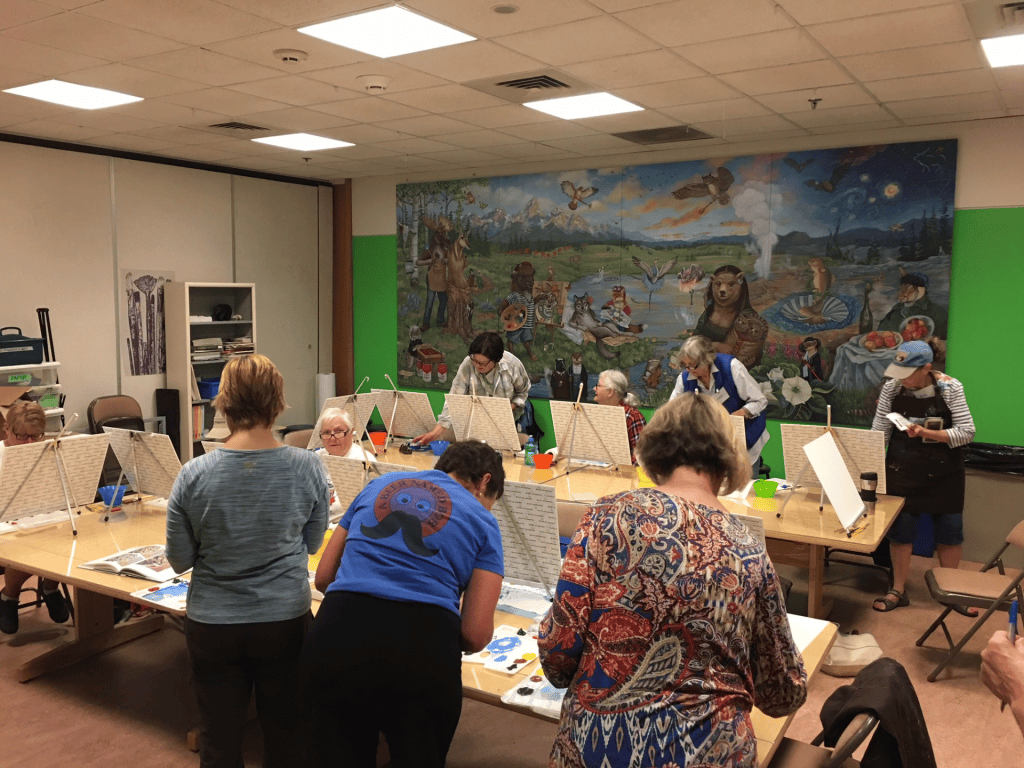
Museum educators have many responsibilities, including developing programs, interpreting exhibitions, coordinating educational activities, and managing volunteers. The scope of these responsibilities varies by institution. In some museums, several staff members specialize in different areas of education, while smaller institutions may have fewer employees overseeing many aspects of the department.
One role that illustrates this range is that of a museum education program manager. Program managers help organize and coordinate a museum’s educational activities (Young, 2019). One of their primary responsibilities is developing program content, format, and structure. These may include artist talks, book discussions, school visits, family activities, holiday events, and other programs designed to engage different audiences.
Planning these programs involves much more than generating ideas. Program managers must consider the museum’s educational philosophy, identify their intended audiences’ needs and interests, and develop activities that support the institution’s mission. They may brainstorm ideas, design program formats, coordinate schedules and participants, collaborate with colleagues, and ensure that the necessary resources are available (Young, 2019).
Program managers must also address practical considerations, including budgets, staffing, logistics, program fees, and marketing. Partnerships with schools and community organizations can help museums reach new audiences and strengthen relationships with the surrounding community. Collaboration with other departments, such as marketing and visitor services, is also essential to ensure that programs are promoted effectively and run smoothly.
Another important responsibility is evaluating program outcomes. Educators may collect visitor feedback, review attendance numbers, conduct surveys, or observe participant engagement to determine whether a program has achieved its goals. This information helps them identify areas for improvement and make informed decisions about future programming. Evaluation is therefore an important part of museum education because it allows professionals to adapt their work to better serve visitors.
Technology in Museum Education
Technology has become increasingly important in museum education, creating new ways for institutions to share collections and engage audiences. During and after the COVID-19 pandemic, many museums expanded their digital programming to reach people beyond their physical spaces. These tools have expanded learning and accessibility, but they also create practical challenges.
One major benefit of technology is that it can extend educational opportunities to people who may not be able to visit a museum in person. Virtual programs, online exhibitions, and digital collections let audiences engage with museum content from anywhere. Technology can also support interactive learning experiences by giving visitors additional ways to explore exhibition content and access information. Dumont et al. (2024) discuss challenges associated with these tools, including limited access to technological resources, technical malfunctions, and high maintenance costs.
Although technology can expand access, implementing it requires funding, staff time, and training. Museums must consider not only the initial cost of purchasing digital tools but also the resources needed to maintain them and ensure that staff and visitors can use them effectively. If a tool is confusing, unreliable, or hard to navigate, it may frustrate visitors rather than improve the experience. For this reason, museums should choose technology based on its educational purpose and audience needs rather than adopting it simply because it is new or interactive.
Technology can also extend an exhibition’s life beyond a visitor’s time in the museum. For example, three-dimensional scans and digital visualizations let people explore collections and exhibition spaces online. These resources let visitors revisit material, keep learning after a visit, and engage with museum content from different locations (Dumont et al., 2024).
Overall, technology works best when it complements, rather than replaces, thoughtful educational planning. Museum educators must balance the benefits of digital engagement with financial, technical, and accessibility considerations. When used purposefully, technology can expand the museum’s reach, provide additional ways to engage with collections, and support the institution’s educational mission.
Diversity, Equity, Accessibility, and Inclusion in Museum Education
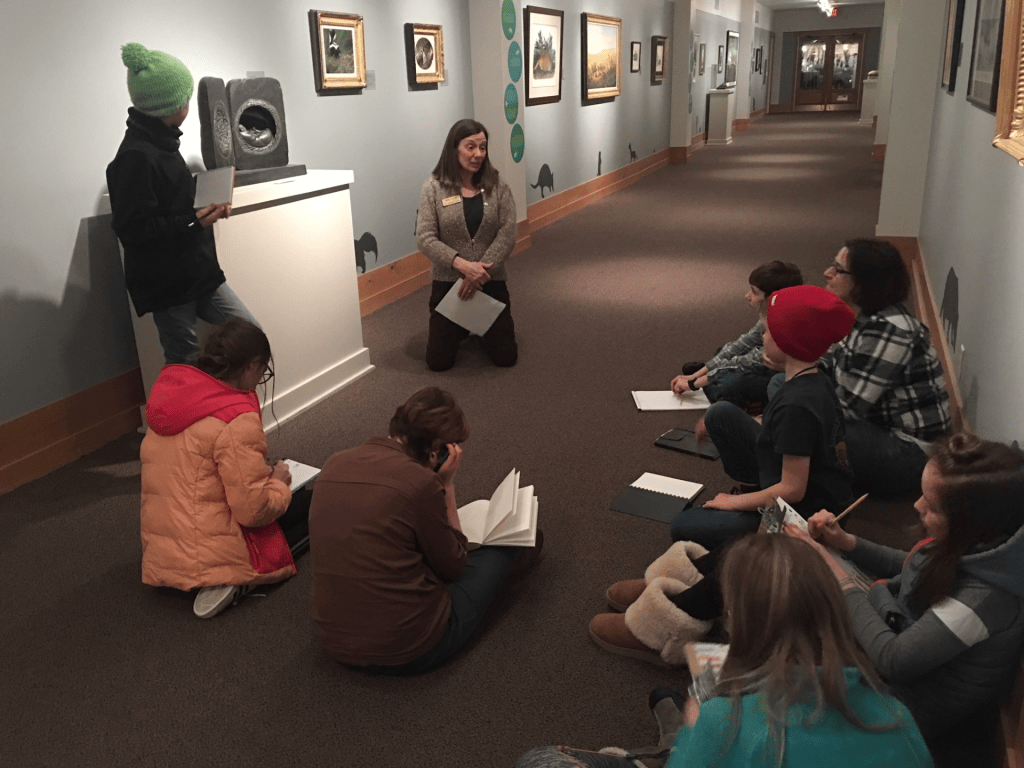
Diversity, equity, accessibility, and inclusion are essential to museum education because museums serve people with different backgrounds, experiences, interests, abilities, and learning preferences. If museum education is intended to support learning throughout life, then educational programs and resources must account for the fact that visitors do not all approach museums in the same way.
Shifting from a primary focus on education to recognizing learning as an individual, lifelong process is an important step toward more inclusive museum practice (Ambrose & Paine, 2018). It encourages educators to move beyond a one-size-fits-all approach and consider how visitors can participate in ways that are meaningful to them. This means developing programs that welcome different age groups, reflect diverse perspectives, and reduce barriers to participation.
Technology can support these goals by offering visitors different ways to explore collections and exhibition content. Dumont et al. (2024) explain that digital tools can provide visitors with diverse options for exploring exhibitions, accessing additional information, and interacting with the material. These options may allow visitors to engage more independently and choose the information or experiences that interest them. However, technology does not automatically make a museum more inclusive. Digital resources must also be accessible, easy to navigate, and usable by people with different abilities and levels of technological access.
Museum educators’ attitudes and practices matter just as much. Tallboys (2018) emphasizes that educators need to empathize with students, many of whom may be encountering particular artifacts or collections for the first time. Some visitors may also be entering a museum for the first time. This highlights the importance of creating a welcoming environment where visitors feel comfortable asking questions, expressing their ideas, and participating without feeling intimidated or excluded.
For museum educators, DEAI involves more than providing access to a building or offering a free program. It also requires considering whose stories are represented, whose perspectives are included, and whether visitors feel that they belong in the museum. Educators can support these goals by adapting their teaching approaches, developing programs for different audiences, considering physical and digital accessibility, and collaborating with communities to understand their needs. By incorporating these considerations into program planning, museum educators can create learning experiences that are welcoming, relevant, and meaningful to a wider range of people.
My Personal and Professional Relationship with Museum Education
My personal and professional experiences with arts education and museum programming have helped me understand the value of museum education firsthand. One of my most meaningful experiences was working as a program intern with Pablove, an organization that offered digital photography classes for children diagnosed with cancer across the country. In this role, I helped write educational lessons and curriculum, collaborated with teachers on lesson plans, and supported class delivery over Zoom. I also helped students upload their photographs and troubleshoot technical issues.
This experience showed me how much planning and adaptability it takes to run a successful educational program. The work was not limited to developing a curriculum; it also required helping students navigate technology, supporting teachers, and finding ways to keep children engaged in a virtual environment. Most importantly, I enjoyed connecting with the students, introducing them to photography, and seeing their creativity and confidence grow throughout the classes. It was rewarding to see how art could provide an opportunity for self-expression and connection, even when students were participating remotely.
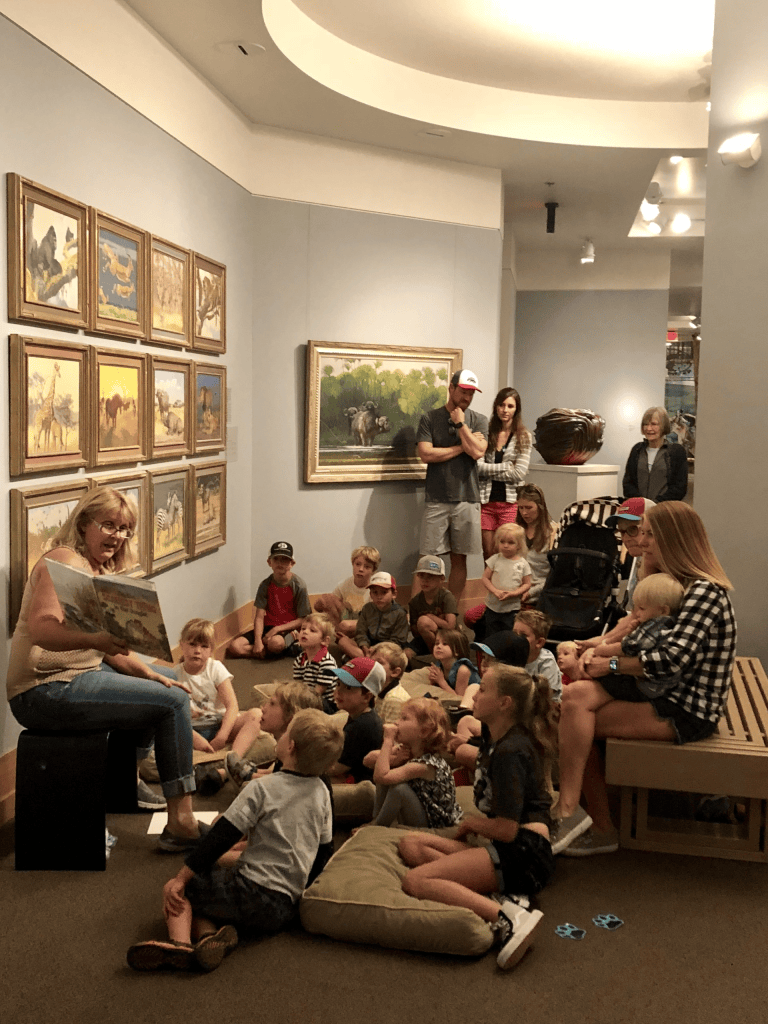
I have also had the opportunity to assist the education team at my workplace, the National Museum of Wildlife Art in Jackson, Wyoming. I helped with the museum’s Fables, Feathers, and Furs programming, which connects a story to a work of art in the museum and then invites participants to complete a related craft. The program is free and primarily designed for young children, but anyone is welcome to participate.
Through this experience, I saw how museum educators can use storytelling, visual art, and hands-on activities to make collections more approachable. Rather than simply asking visitors to look at a work of art, the program offers multiple ways to connect with it. The story provides context, the artwork offers a visual connection, and the craft lets participants respond creatively to what they have learned. The program also demonstrates how free educational activities can help make museum experiences more accessible to families and young visitors.
Both experiences have helped me understand that museum education is about more than teaching information. It involves building relationships, encouraging curiosity, responding to different needs, and creating opportunities for people to connect with art in personally meaningful ways. My work with Pablove emphasized the importance of curriculum development, technology, and individualized support, while my experience at the National Museum of Wildlife Art showed me how in-person programming can connect stories, collections, and hands-on learning. Together, these experiences have strengthened my appreciation for the role education plays in making museums welcoming and engaging community spaces.
Conclusion
Museum education connects a museum’s collections and mission with the people it serves. Through program development, collaboration, visitor engagement, and evaluation, museum educators create opportunities for people to learn from and connect with museum collections. Technology can expand these opportunities, but it must be implemented thoughtfully to avoid creating additional barriers. Similarly, educators must consider diversity, equity, accessibility, and inclusion throughout the educational process, from selecting program content to determining how visitors can participate.
My experiences with Pablove and the National Museum of Wildlife Art have shown me how educational programming can foster creativity, connection, and lifelong learning. They also helped me recognize the planning and collaboration required to create meaningful experiences. Ultimately, I see museum education as essential to a museum’s relationship with its community. It helps transform collections from objects on display into opportunities for discovery, participation, and connection.
References
Ambrose, T., & Paine, C. (2018). Museum basics: The international handbook (4th ed.). Routledge.
Dumont, A., et al. (2024). Museum educators’ views on digital museum education: opportunities and challenges. Cultural Trends, 33(3), 100–115.
Tallboys, R. (2018). Using museums, galleries and historic houses: A guide for teachers and museum educators (3rd ed.). Routledge.
Wood, E. (2023). Museum education and learning. In The educational role of the museum (2nd ed.). Routledge.
Young, A. (2019). The museum educator’s handbook. ProQuest Ebook Central.
Personal Photographs from Education Programs – National Museum of Wildlife Art. (n.d.).


Leave a Reply