When we visit a museum, it’s easy to focus on what is displayed in the galleries. We see the artwork, read the labels, and experience the exhibition, but there is an entire system of work happening behind the scenes to make that experience possible. Museum collections are one of the most important parts of that system. Collections work involves much more than simply storing objects. It includes caring for, documenting, researching, moving, preserving, and making collections accessible to the public.
In this journal entry, I’ll explore what collections work looks like, the responsibilities of the professionals who work with collections, how technology has changed collections practices, and why diversity, equity, accessibility, and inclusion (DEAI) are important to this area of museums. I’ll also reflect on my own experience working with collections and how that experience has shaped my understanding of the field.
What is a Museum’s Collection?
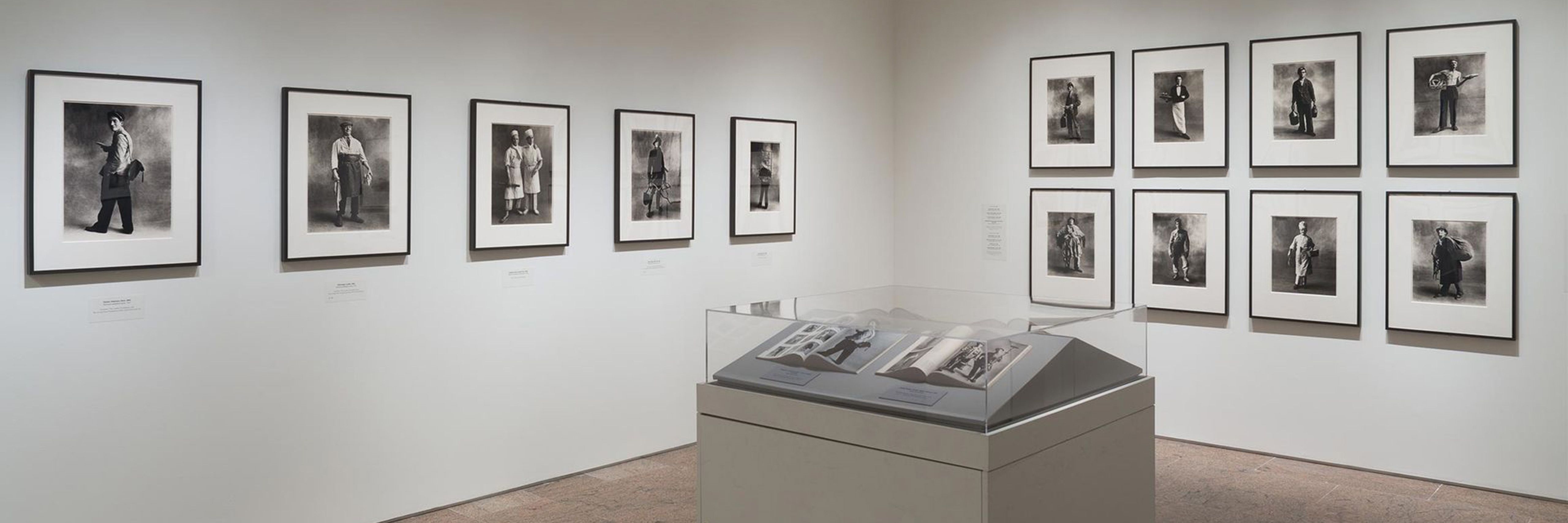
The collections area of a museum is the part of the institution focused on the care, organization, documentation, preservation, and accessibility of the museum’s objects and materials. Collections can include artwork, historical objects, photographs, documents, archaeological materials, and many other types of cultural or natural objects.
Collections care involves maintaining, preserving, documenting, and appropriately housing objects. The importance of this work extends beyond the objects themselves. The museum’s ability to research its collection, create exhibitions, and provide public access depends on the quality of its collections care. In many ways, the way a museum cares for its collection reflects the public’s perception of the institution as a whole.
The Responsibilities of Collections Professionals
The people who work within collections have different titles and responsibilities, but they share the goal of protecting and caring for the objects entrusted to the museum. These professionals can include registrars, collection managers, preparators, conservators and restoration specialists, exhibition managers, and curators. Although their day-to-day responsibilities may look very different, their work connects back to the larger responsibility of collections care.
There are many different roles within collections, but one that stood out to me in our course material is the registrar. A registrar, sometimes also called a collections manager depending on the institution, is responsible for collection record keeping and the physical handling and movement of objects. Objects may need to be moved for an exhibition, loan, conservation treatment, photography session, storage, or display.
Bowes describes registrars as essentially the “accountants” of a museum collection because of the amount of information and organization they manage (Bowes, 2023). Their responsibilities can include resource management, logistics, and risk management. They may also be involved with accessioning, deaccessioning, inventory control, exhibition installation, object handling, packing and shipping, condition reporting, security, and insurance (Bowes, 2023).
This makes the registrar’s position much broader than one may realize. Museum registrars and collections managers are essentially the backbone of cultural institutions because they balance so many responsibilities that allow the rest of the museum to function (Bowes, 2023).
Collections work also requires a high level of attention to detail. Something as simple as moving an object from one room to another can require planning, documentation, proper handling techniques, and an understanding of the risks involved. The object needs to arrive at its destination safely, but the museum also needs to maintain accurate records about where that object is and what happened to it.
How Technology is Changing Collections

Technology has become an increasingly important part of collections practice. As museums continue to change with society, technology provides new ways to document collections, manage information, and make objects accessible to people who may never physically visit the museum.
One of the most visible examples is the growth of digital collections. Many museums now make portions of their collections available through their websites, allowing the public to search for and learn about objects that may not currently be on display. Digital access can expand the audience for a collection far beyond the people who are able to visit the physical museum.
The San Diego Museum of Art is a good example. Visible Vaults allows visitors to explore virtual storerooms containing works from the museum’s collection. The project provides a behind-the-scenes look at how artwork is stored and cared for while also giving visitors access to works that they may not otherwise have an opportunity to see.
I think projects like this are especially interesting because they challenge the idea that a museum collection only exists inside the museum’s physical walls. Technology can make collections more accessible while also helping the public understand the work that happens behind the scenes. A visitor might not normally think about storage conditions, object documentation, or collections management when walking through a gallery, but digital projects can make those processes more visible.
At the same time, technology does not replace the physical work of collections professionals. A digital photograph of an object does not eliminate the need to properly handle, store, preserve, and document the original. Instead, technology becomes another tool that collections professionals can use to support their work and expand public access.
Diversity, Equity, Accessibility, and Inclusion in Collections
Diversity, equity, accessibility, and inclusion are also important to collections work because museums are responsible for caring for objects that represent different cultures, communities, histories, and experiences. Collections management is not simply about protecting physical objects. It is also about understanding and communicating the cultural and historical contexts connected to those objects.
The American Alliance of Museums’ work surrounding DEAI provides important frameworks for museums as they consider how their collections and institutional practices can become more inclusive. These principles can influence how museums develop collections, interpret objects, provide access, and work with communities.
Expanding and diversifying collections can help museums provide a more complete representation of history and culture. However, inclusion does not end when an object enters the collection. Museums also need to consider how objects are described, interpreted, displayed, and made accessible to the public.
Another important aspect of DEAI is collaboration. Collections management can sometimes seem like an isolated behind-the-scenes department, but it actually connects with almost every part of a museum. Registrars, curators, educators, conservators, preparators, and other museum professionals can bring different perspectives to the way collections are cared for and interpreted.
DEAI therefore has relevance to collections not only because of what museums collect, but also because of how they care for and provide access to what they collect. Museums have an opportunity to acknowledge the cultural, community, and socio-historical contexts of the objects in their care rather than treating them as objects without histories.
My Personal Relationship with Collections
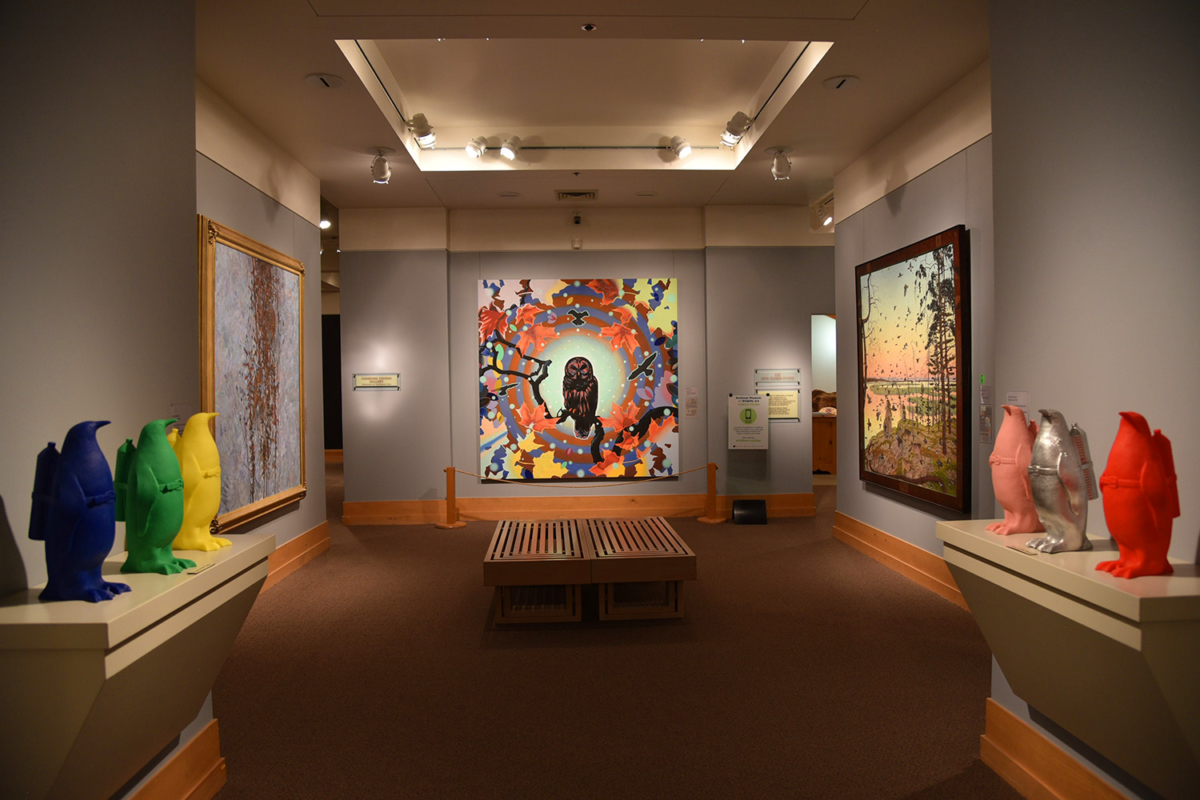
My personal experience with collections and collections management mainly comes from my experience with art handling. At the National Museum of Wildlife Art, I assisted the curatorial department with photographing objects from the collection for digital records. I worked primarily with the registrar and preparator, assisting with art handling, moving objects, documenting objects that were being photographed, and repositioning objects when necessary.
This experience was really fun, but it also taught me how much thought goes into something that might look simple from the outside. Before this experience, I understood that museum objects needed to be handled carefully, but I didn’t fully understand just how many decisions have to be made when moving and photographing an object.
There are many things to consider when handling collections. How should an object be picked up? Where should it be held? How should it be moved? Where can it safely be placed? How should it be positioned for photography? If an object is going into storage, how should it be arranged and supported? If it is going on display, how can it be installed without putting the object at risk?
These questions made me realize that collections work requires both practical skills and a strong understanding of the objects themselves. Even a task that seems straightforward can have consequences for an object’s preservation and safety.
My experience also helped me understand the relationship between collections work and accessibility. Photographing objects for digital records is not just about creating nice images. Those photographs become part of the information that allows museum professionals and the public to learn about and access the collection. In that way, the hands-on work of art handling connects directly to the larger goal of making museum collections available to others.
Final Thoughts
Collections work is one of the areas of museums that can easily go unnoticed because so much of it happens behind the scenes. Visitors may see an artwork hanging on a gallery wall, but they may not see the registrar who tracked it, the preparator who moved it, the conservator who cared for it, the curator who researched it, or the many other professionals who helped make that experience possible.
Collections are not simply objects sitting in storage. They are a major responsibility for museums. Collections professionals have to balance preservation, documentation, logistics, research, accessibility, and public service.
Technology has expanded the ways museums can share collections, while DEAI has encouraged institutions to think more critically about representation, access, and the communities connected to their collections. My own experience with art handling has helped me see how much care and attention goes into protecting museum objects and making them accessible.
Ultimately, collections are the foundation that allows museums to preserve knowledge and share it with the public. The work may happen behind the scenes, but it has a direct impact on what visitors experience and what future generations will be able to learn from museum collections.
References
Bowes, S. (2023). The museum registrar as ‘assembled role’: A productive conceptualization of collections management practice? Museum and Society, 21(1), 62–73.
American Alliance of Museums. “Excellence in Deai Report.” American Alliance of Museums, 12 Mar. 2025, www.aam-us.org/2022/08/02/excellence-in-deai-report/.
Photographs – The Metropolitan Museum of Art. (n.d.). https://www.metmuseum.org/departments/photographs
Visible vaults. San Diego Museum of Art. (2026, January 15). https://www.sdmart.org/exhibition/visible-vaults/
Plan your visit. National Museum of Wildlife Art. (2026, April 28). https://www.wildlifeart.org/visit/plan

